The Importance of Proper Roof Ventilation
Since most people are only concerned with their roof keeping their home dry, it makes sense that roof ventilation is frequently overlooked. On the other hand, people who live and work beneath a well-ventilated roof may find their lives more comfortable and easier. Increased interior comfort, longer roof shingle life, and lower heating and cooling costs are all possible with roof and attic ventilation. Installing ridge vents is typically the most effective way to ventilate your roof.
What Are Ridge Vents?
Ridge vents are a type of ventilation system that is installed at the peak of a roof. These vents allow hot, stagnant air to escape from the attic or roof space while also encouraging the circulation of cooler air, resulting in a balanced airflow. Ridge vents are designed to blend in with the roofline, providing an unobtrusive and efficient way to ventilate attics. They work in tandem with intake vents, such as soffit vents, to promote proper air exchange, reduce moisture buildup, regulate temperatures, and help extend roof life by preventing heat-related damage to roofing materials.
Other Common Types of Roof Vents
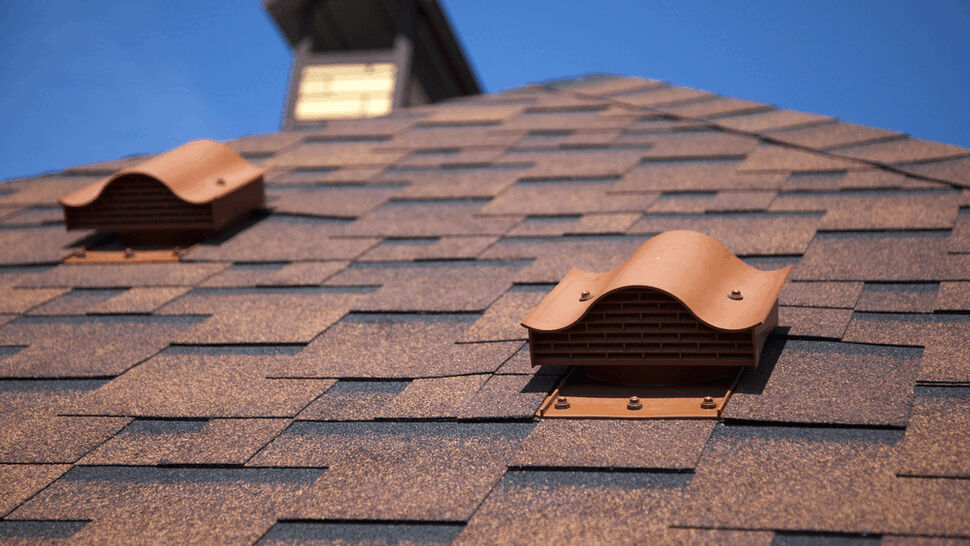
Roof vents come in various types, each serving a specific purpose in ensuring proper ventilation for homes. Ridge vents allow hot air to escape while promoting cool air intake, box vents offer alternatives to ridge vents, soffit vents improve aesthetics and facilitate airflow, turbine vents rely on wind for continuous movement, and power vents provide controlled ventilation. These vents play vital roles in regulating temperature, minimizing moisture, and preserving roofing materials for a comfortable indoor environment.
Soffit Vents
Situated beneath the roof along the eaves or overhang, soffit vents not only enhance the visual appeal of exposed roof sections but also facilitate the intake of cooler air. This airflow allows for the expulsion of hot air through other vents positioned atop the roof, aiding in effective ventilation.
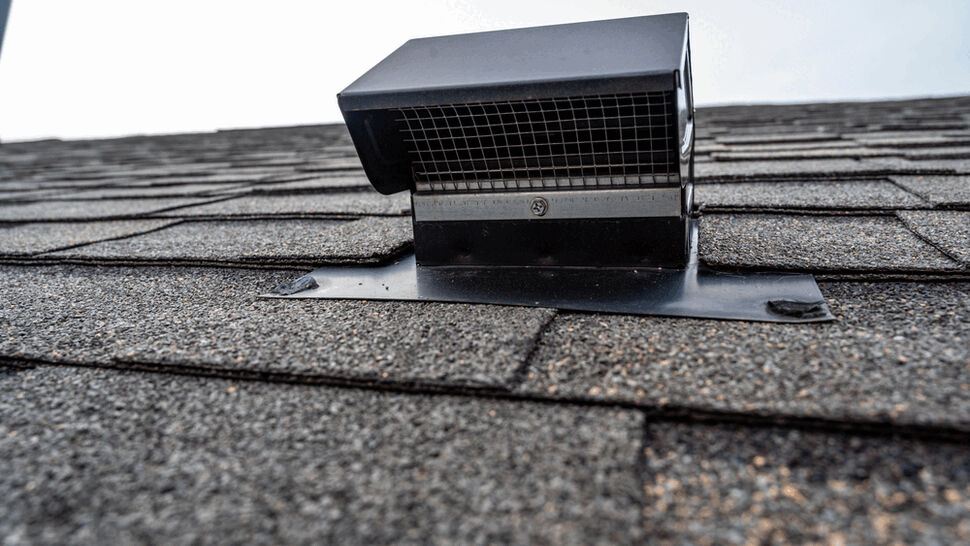
Box Vents
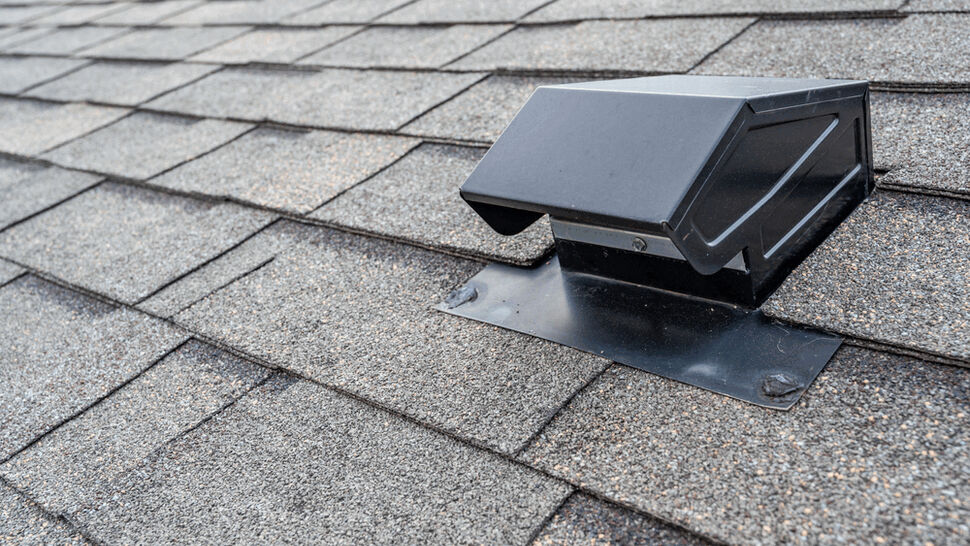
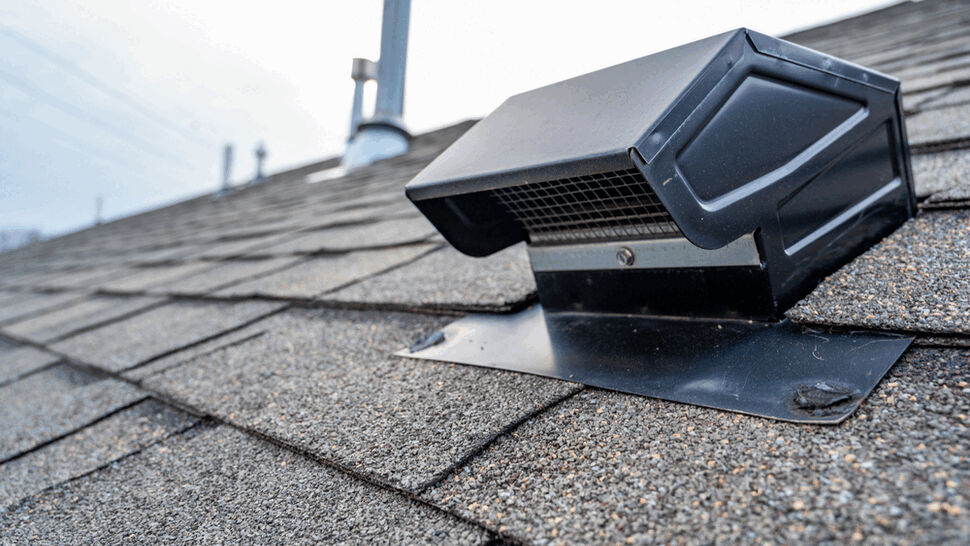
If opting against a ridge vent installation, a box vent serves as an alternative without any movable components. Usually positioned close to the ridge, these vents offer straightforward pathways for air circulation, often necessitating multiple units for optimal effectiveness. Available in metal or plastic, box vents come in a variety of colors to complement your roof’s aesthetics.
Turbine Vents
The presence of movable components in this vent facilitates the expulsion of hot and humid air without requiring a power supply. Its functionality relies on the wind passing over the roof, ensuring continuous movement of the turbine and sustained ventilation. However, the mechanical elements within turbines may experience wear and tear over time due to friction and exposure to moisture.
Powered Vents
Electrically operated, power vents are typically managed via a household light switch, granting homeowners control over the roof ventilation process. Certain variants are either solar-powered or equipped with a built-in humidistat, enabling automatic operation for expelling hot, humid air and maintaining optimal temperature levels without constant manual adjustment.
Gable Vents
Situated within the gables or walls of the attic, these vents enable airflow, enhancing the aesthetic appeal of your home. However, they are not inherently the most effective ventilation solution and are commonly combined with another form of roof vent to serve as the main intake source, ensuring improved overall ventilation efficiency.
When Do I Need Roof Ventilation
If you have persistently high indoor temperatures, high levels of moisture or condensation in the attic, premature shingle aging or curling, signs of roof damage, higher energy bills from increased cooling demands, musty or stale indoor odors, or obvious signs of inadequate airflow, you may need to improve the ventilation on your roof. These problems indicate inadequate ventilation, which can be fixed by maintaining open spaces for air circulation, making sure that adequate insulation is in place, and installing or updating vents (such as ridge, soffit, or gable vents). Getting advice from a qualified roofer can help you decide which ventilation solution is best for your particular needs.
Roof Vents in Summer
In the summer and other warmer months, the effects of the hot air are amplified by outside temperatures. Insufficient ventilation can lead to overworked air conditioners, low indoor air quality, and the premature deterioration of shingles that ultimately increase your chances of leaks.
Roof Vents in Winter
During the winter and cooler months, warm air from everyday activities like bathing mixes with water vapor. This warm, humid air can linger in the attic during cold snaps, leading to the growth of mold and mildew, damage to the roof studs, and even the formation of ice dams.